The Long and short
Yes. An African safari is safe for children when the trip matches the child's age. Most lodges welcome children from age 6 on shared game drives. Walking safaris usually start at 12. Gorilla trekking starts at 15. Children under 5 do best in malaria-free reserves in South Africa, with a private vehicle. The real risks are malaria, long road transfers, heat and unfenced camps. Wild animals are rarely the problem when you follow your guide's rules.
I have planned, organized and operated families with children from London, New York and Berlin for years. One of the most prevalent questions I hear first is always the same: will my child be safe? The answer: safety depends less on Africa and more on your choices. Get the age, destination, park and lodge right, and it is safe.
Key Facts at a Glance
| Age | Best safari fit | Main limits |
|---|---|---|
| Under 2 | Malaria-free reserves in South Africa; family hotels with short game drives | Most bush camps do not accept infants. No yellow fever vaccine before 9 months. |
| 2 to 5 | South Africa's malaria-free reserves; Kenya with a private vehicle | Short drives only. Many lodges insist on a private vehicle. |
| 6 to 11 | Kenya, Tanzania, South Africa, Namibia; family lodges with kids' clubs | Some camps set the minimum at 8 or 12. |
| 12 to 14 | Adds walking safaris, chimp trekking in Uganda, canoe trips | Gorilla trekking is still closed. |
| 15 and over | Everything, including gorilla trekking in Uganda and Rwanda | Most camps charge adult rates. |
Why Safaris Are Safer Than Most Parents Expect
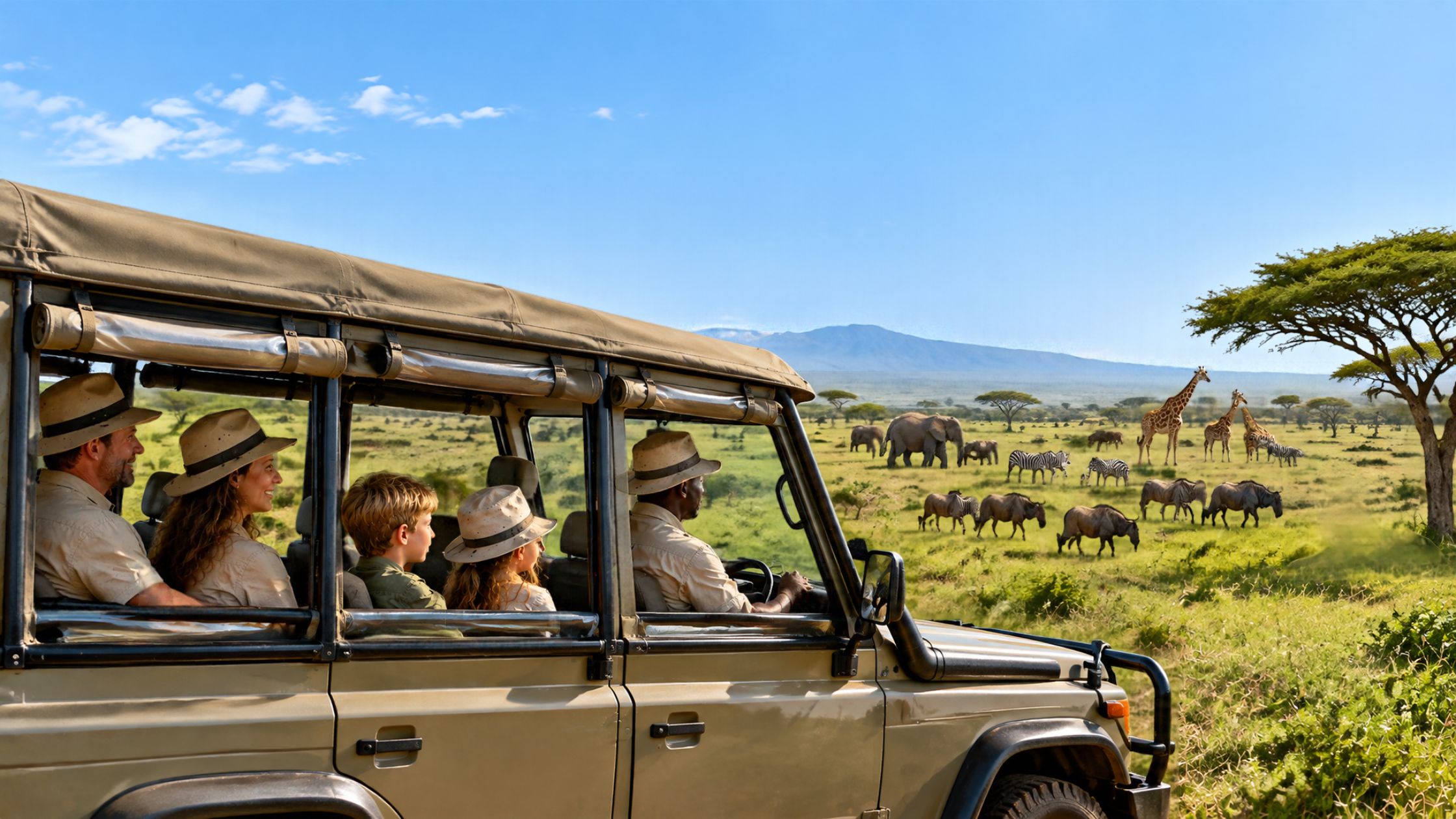
Game drives follow strict rules. You stay inside the vehicle. Guides are trained and licensed, and many carry first-aid certificates. Animals in protected parks see vehicles every day and treat them as one large, harmless object.
Serious incidents involving tourists are very rare. Almost all of them happen when someone breaks the rules, such as stepping out of a vehicle or walking alone at night in an unfenced camp.
The Real Risks and How to Manage Them
Malaria
Malaria is the biggest health risk for children on safari. It is present in most of Kenya, Tanzania, Uganda, Zambia, northern Botswana, northern Namibia and the Kruger area of South Africa. Young children get sick faster than adults.
- See a travel clinic six to eight weeks before you fly.
- Ask about child doses of antimalarial tablets. Atovaquone-proguanil (Malarone) comes in paediatric tablets dosed by weight. Doxycycline is not used for young children.
- Use long sleeves after sunset, insect repellent and treated bed nets.
- Treat any fever in the three months after the trip as urgent. Tell the doctor you were in a malaria area.
For children under 5, the simplest fix is to avoid malaria zones. South Africa’s Madikwe, Pilanesberg and Eastern Cape reserves (around Addo) are malaria-free and still offer the Big Five.
Vaccines and Entry Rules
Children need routine jabs to be up to date. Hepatitis A and typhoid are often advised. The yellow fever vaccine is not normally given before 9 months of age. Uganda asks for a yellow fever certificate from most visitors. Kenya, Tanzania, Rwanda and Zambia may ask for one if you arrive from a risk country. Check the latest rules with your clinic, as they change.
Wildlife in Camp
Many of the best camps have no fences. Elephants, buffalo and hippos may walk past your tent at night. A staff member walks you to and from your tent after dark. Young children must never wander alone, even in daylight. Ask whether the lodge is fenced before you book if your child is under 8.
Long Drives, Heat and Sun
Roads between parks can be long and bumpy. A five-hour drive is hard on a toddler. Short internal flights save time and tempers, especially in Kenya, Tanzania and Botswana. Pack sunhats, high-factor sunscreen and plenty of water. Midday is hot, so plan rest by the pool between morning and evening drives.
Food and Water
Good lodges serve safe food and filtered water. Most chefs will cook plain meals for fussy eaters. Pack rehydration salts.
Age-by-Age Safari Planning
Babies and Toddlers (Under 2)
A safari with a baby is possible, but your choices shrink. Most tented camps do not accept infants. Babies cannot take most antimalarial drugs, and a crying baby can scare animals away from a shared vehicle.
Best plan: a malaria-free South African reserve, a family room, and short drives of one to two hours in a private vehicle. Bring your own car seat.
Ages 2 to 5
Small children love animals but lose focus fast. Three-hour drives are too long. Many lodges require families with children under 6 to book a private vehicle. It costs extra, but you can return to camp whenever your child is tired.
Best plan: South Africa’s malaria-free reserves, or Kenya’s private conservancies in Laikipia if your doctor approves malaria tablets. Choose lodges with a pool and a kids’ menu.
Ages 6 to 11: The Sweet Spot
This is the best age for a first safari. Children can sit through a full game drive, follow simple rules and remember the trip for life. Most lodges accept them on shared drives.
Look for lodges with junior ranger programmes. Children learn to read animal tracks, use binoculars and help with bush walks around camp. Kenya’s Maasai Mara, Tanzania’s Serengeti and Ngorongoro Crater, and Namibia’s Etosha all work well.
Watch out: some camps in Botswana and Zambia set the minimum age at 8 or 12. Always check the lodge’s child policy before you pay a deposit.
Ages 12 to 14
Doors open at 12. Most walking safaris accept children from this age, though some private conservancies offer short family walks for younger ones. Zambia’s South Luangwa is famous for walking safaris. Chimpanzee trekking in Uganda’s Kibale Forest is open from 12. Canoe safaris on the Lower Zambezi are also possible at many camps.
Teenagers (15 and Over)
At 15, your teenager can trek mountain gorillas in Uganda’s Bwindi Impenetrable Forest or Rwanda’s Volcanoes National Park. The age rule is strict and rangers check passports. Treks can last from one to six hours over steep, muddy ground, so fitness matters.
Teens also enjoy hot air balloon flights over the Mara or Serengeti, horse riding safaris and night drives in private conservancies.
Which Countries Suit Families Best?
- South Africa: best for under-5s. Malaria-free reserves, good roads, good hospitals.
- Kenya: short flights between parks, family-run conservancies and flexible lodges.
- Tanzania: huge herds and the Great Migration, but long distances. Fly where you can.
- Namibia: great for self-drive families with children over 6. Drier, with lower malaria risk in the south and centre.
- Botswana: superb wildlife, but many camps have higher age limits and travel is by small plane.
- Uganda and Rwanda: best for teens because of primate trekking age limits.
- Zambia: ideal for active teens who want walking safaris.
Your Lodge Checklist
Ask every lodge these questions before you book:
- What is the minimum age for shared game drives?
- Is a private vehicle required for my child’s age, and what does it cost?
- Is the camp fenced?
- Do you have family tents or connecting rooms?
- Is there a kids’ programme or babysitting service?
- How far is the nearest clinic, and is air evacuation available?
Buy travel insurance that covers medical evacuation. In East Africa, many families also take out AMREF Flying Doctors cover for remote areas.
Paperwork for Children
Every child needs their own passport, valid for at least six months with blank pages. Kenya and several other countries require each child to have their own visa or online travel authorisation. If one parent is travelling alone with a child, carry a signed consent letter from the other parent and a copy of the birth certificate. South African officials may still ask for these.
Frequently Asked Questions
What is the best age to take a child on safari?
Ages 6 to 11 are ideal. Children are old enough to enjoy long drives and young enough to be amazed by everything.
Can babies go on an African safari?
Yes, but stick to malaria-free reserves in South Africa and lodges that welcome infants. Use a private vehicle and keep drives short.
Are malaria tablets safe for children?
Some are, in the right dose. A travel doctor will prescribe based on your child’s weight and age. Never give adult tablets to a child.
How old must a child be to see gorillas?
Fifteen, in both Uganda and Rwanda. There are no exceptions.
Do lions attack children on safari?
Attacks on tourists are extremely rare. The danger comes from leaving the vehicle or walking alone in unfenced camps. Follow your guide’s rules and keep children close.
Plan a Family Safari With Confidence
A safari with children takes more planning than a trip for adults. Lodge age rules, malaria zones and travel times all need to fit together. A good safari planner can match your family’s ages to the right parks and lodges, and save you from costly booking mistakes. If you are thinking about a family safari, speak to an experienced Africa safari planner early. Family rooms sell out early in peak season.